
Selling a House With Termite Damage in Philadelphia, PA
You can sell a house with termite damage in Philadelphia. Pennsylvania law requires you to disclose known termite activity, damage, and any treatment in the last five years, but it does not require repairs. Your three options are to treat and repair before listing, list as-is with credits, or sell as-is to a local cash buyer such as We Buy Houses Philadelphia, which buys homes in any condition with no inspections, commissions, or repairs.
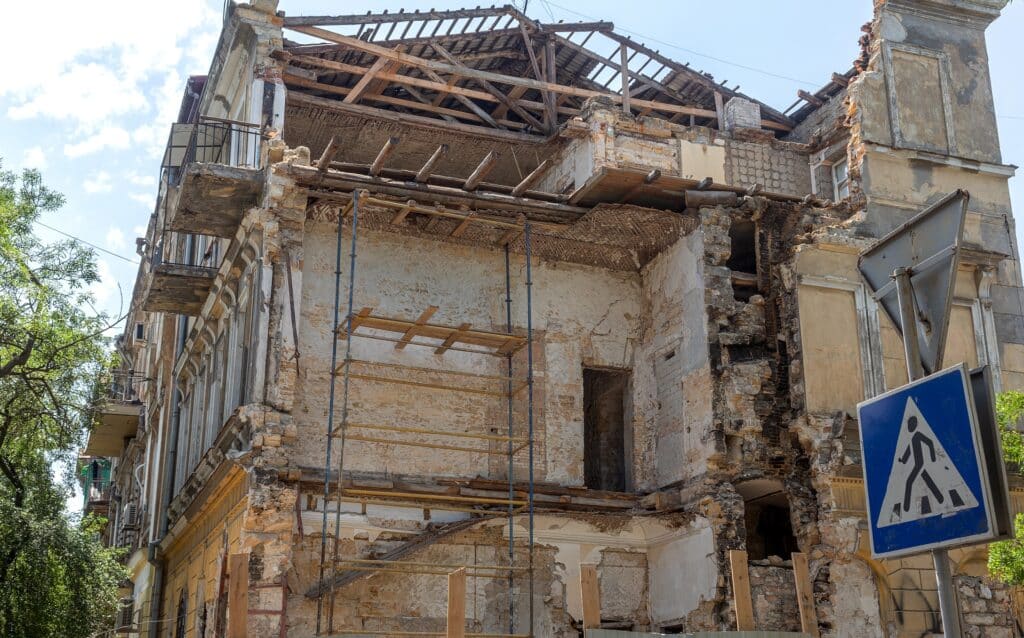
Finding mud tubes on a basement wall when you were already planning to sell is unsettling. For Philadelphia homeowners, though, termite damage is common, disclosable, and very sellable. Here is why the city’s housing is so exposed, what Pennsylvania requires you to disclose, and how to choose between repairing, listing as-is, or selling directly to We Buy Houses Philadelphia.
Why Termite Damage Is So Common in Philadelphia Homes
Philadelphia has some of the oldest housing in the country. About 41 percent of the city’s homes were built before 1940, the median construction year in Philadelphia County is 1949, and rowhomes make up more than half of all units. That matters because the Penn State Extension reports that eastern subterranean termites are present throughout Pennsylvania and that most infestations occur in basement and cellar areas and the structural timbers directly above cellar walls. Visible damage usually reflects years of feeding and typically surfaces a decade or more after construction.
Rowhomes add a second layer of risk. Attached homes share party walls, continuous foundations, and the same soil moisture, so a colony under one property can forage into the neighbor. Damp stone basements, sill plates near grade, and sump areas are exactly the conditions termites exploit, and swarmers emerging between February and June mean many sellers discover the problem during a spring listing. If you own a pre-war rowhome, see how condition affects an offer in our guide to selling a Philadelphia rowhome.
Pennsylvania Disclosure Rules for Termite Damage
The Pennsylvania Real Estate Seller Disclosure Law (68 Pa.C.S. Section 7301 and following) requires every seller to deliver a signed property disclosure statement to the buyer before the agreement of sale is signed. The state disclosure form includes a dedicated termite section that asks whether you are aware of:
- Any termites, wood-destroying insects, dry rot, or pests affecting the property
- Any damage to the property caused by those pests
- Any termite or pest control reports or treatments in the last five years
Two points trip up sellers. The duty covers what you know, so a resolved treatment from four years ago still belongs on the form. And the law applies to as-is sales: as-is changes what you agree to fix, not what you must disclose.
How Termite Damage Affects a Traditional Sale
Wood-destroying insect inspections and lender requirements
Philadelphia buyers routinely order a wood-destroying insect (WDI) inspection on the NPMA-33 form. FHA and VA loans require one in states with moderate to heavy termite pressure, which covers most of Pennsylvania. If the report shows active termites, the lender typically conditions the loan on treatment and a clearance letter.
Repair demands, delays, and reduced offers
Even when damage is old and treated, financed buyers often request structural reinforcement, joist or sill plate replacement, or a transferable warranty. Each adds contractor scheduling, permits through Philadelphia Licenses and Inspections, and a re-inspection, and buyers who stay in the deal frequently renegotiate price. Standard homeowners insurance almost never covers termite damage, so those costs land on the seller.
Your 3 Options for Selling a House With Termite Damage
| Option | Typical timeline | What you pay upfront | Best for |
| Treat, repair, then list | Weeks to months before listing, plus 45 to 60 days to close | Treatment, repairs, permits, re-inspection | Owners with time, reserves, and limited damage |
| List as-is on the open market | Standard listing timeline; higher fall-through risk | Commissions, seller credits, possible treatment for lender clearance | Owners who want market exposure |
| Sell as-is to a local cash buyer | Offer within 24 hours; close on your schedule | Nothing. No repairs, commissions, or closing costs | Owners who need certainty or have active or structural damage |
Option 1: Treat, repair, and list
Treat the colony, complete repairs, and obtain a clearance letter and warranty. This recovers the most value when damage is limited, but it requires upfront money and patience.
Option 2: List as-is with credits
List without repairs and offer a credit or transferable warranty at closing. Expect a smaller buyer pool, since FHA and VA buyers still need clearance, and inspection-stage renegotiation.
Option 3: Sell as-is to a local cash buyer
A cash buyer purchases the property in its current condition, factors repair scope into the offer, and closes without lender-required WDI clearance. It is the simplest route when the infestation is active or structural members are affected. See how we sell your Philadelphia house as-is without repairs.
How to Sell a Termite-Damaged House in Philadelphia: Step by Step
- Confirm the extent of the damage. A licensed pest inspection identifies whether the colony is active and which members are affected.
- Gather your paperwork. Treatment invoices, prior WDI reports, warranties, and repair receipts complete your disclosure and strengthen any offer.
- Complete the Pennsylvania disclosure statement. Answer the termite section fully, including treatments within the last five years.
- Compare your options. Weigh the time and money each path requires against your moving timeline.
- Request a no-obligation cash offer. Request a cash offer and compare it against your projected net from a repaired listing after commissions, credits, and carrying costs.
Why Philadelphia Homeowners Sell Termite-Damaged Houses to Us
We Buy Houses Philadelphia is a locally owned home buyer. Igor, who leads our Philadelphia home-buying team, brings 18 years of financial services experience in banking, insurance, and investments to every offer, so you get a clear explanation of how the number was reached. We have purchased pre-war rowhomes, inherited properties, and pest-damaged homes across the city and surrounding counties.
When you sell a termite-damaged house to us, you can expect:
- A fair cash offer within 24 hours of viewing your property
- No repairs, treatment, cleaning, or WDI clearance letter required
- No agent commissions and no closing costs charged to you
- A closing date you choose
- Transparent pricing, explained in how we come up with offer prices
Frequently Asked Questions (FAQs)
Can I sell a house with termite damage in Philadelphia?
Yes. Pennsylvania allows the sale as long as you disclose known termite activity and damage on the seller disclosure statement. You can repair and list, list as-is, or sell directly to a cash buyer.
Do I have to disclose termite damage when selling a house in Pennsylvania?
Yes. The Pennsylvania Real Estate Seller Disclosure Law requires you to disclose known termite activity, known damage, and any pest treatment within the last five years. The signed statement must reach the buyer before the agreement of sale is signed.
Do I need to repair termite damage before selling my Philadelphia home?
No. Repairs are optional. Many Philadelphia homeowners sell as-is because treatment, structural work, and re-inspection add weeks to the timeline. We Buy Houses Philadelphia purchases the home in its current condition and handles repairs after closing.
Will termite damage lower my home’s value?
It can. Traditional buyers factor treatment and repair costs into their offer or request credits at inspection. The impact depends on whether the infestation is active, how much wood is affected, and whether you have treatment records.
Does homeowners insurance cover termite damage in Pennsylvania?
Almost never. Standard policies treat termite damage as a maintenance issue rather than a sudden covered loss, so repair costs fall on the owner. This is one reason many sellers choose an as-is sale.
Do lenders require a termite inspection in Philadelphia?
FHA and VA loans require a wood-destroying insect report in states with moderate to heavy termite pressure, including most of Pennsylvania. Conventional lenders may request one if the appraiser notes infestation. Cash buyers need no lender approval or WDI clearance.
Why are Philadelphia rowhomes so prone to termites?
About 41 percent of the city’s housing predates 1940, and Penn State Extension notes that Pennsylvania infestations concentrate in basement timbers. Rowhomes share party walls and foundations, so a colony can move between attached homes.
Can I sell a termite-damaged house as-is without a WDI report?
Yes, when selling to a cash buyer. With no mortgage lender involved, no NPMA-33 clearance letter is required. You still complete the Pennsylvania disclosure statement.
How fast can We Buy Houses Philadelphia close on a house with termite damage?
Closing is set around your schedule. Because the purchase is cash with no financing contingency, sales can close within days once title is clear, or later if you need time to move.
Are there fees or commissions when I sell my termite-damaged house for cash?
No. We Buy Houses Philadelphia charges no agent commissions and covers standard closing costs. The offer you accept is what you can expect at settlement, less any liens or payoffs.
Termite damage does not have to derail your sale or drain your savings. Call We Buy Houses Philadelphia at 215-883-4833 for a free, no-obligation cash offer on your termite-damaged house, or contact us online and tell us about the property. We buy houses in any condition throughout Philadelphia and the surrounding counties, and we will walk you through how it works so you can decide with confidence.